How a Pizza Restaurant Offers Something for Everyone
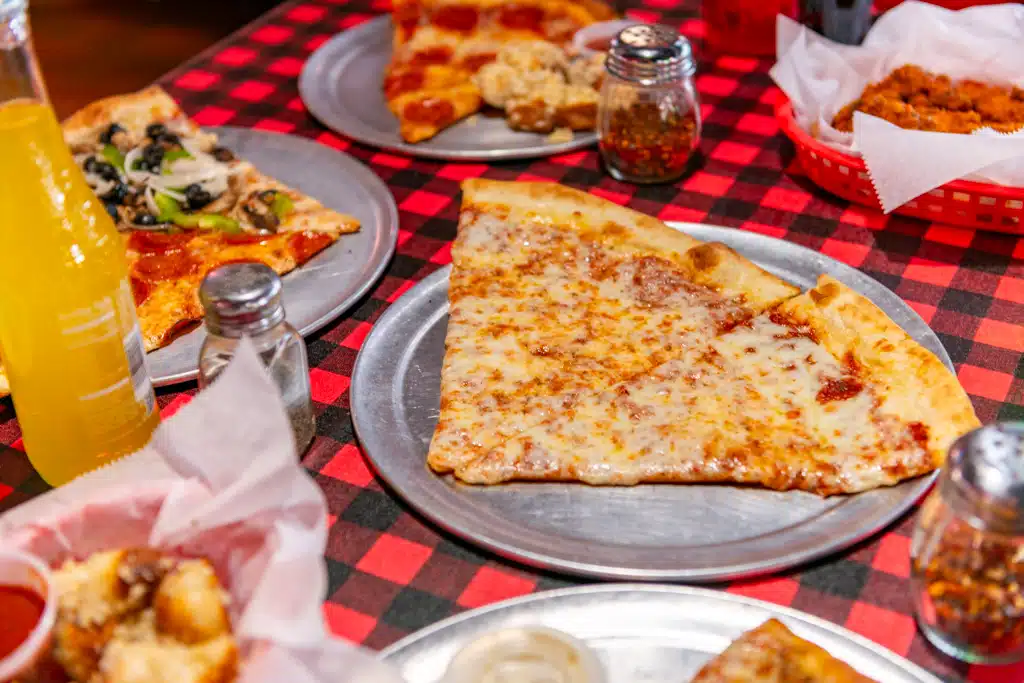

A good pizza restaurant does far more than serve round pies with melted cheese. At its best, it becomes one of the few places that can satisfy a family with different tastes, a couple on a date, a youth team after a game, a commuter grabbing a quick dinner, and a guest with dietary restrictions who is tired of being treated like an afterthought. That range is not accidental. It comes from thoughtful menu design, reliable kitchen systems, flexible service, and an atmosphere that welcomes different kinds of occasions without feeling generic.
Plenty of restaurants claim broad appeal, but pizza has an unusual advantage. It sits at the intersection of comfort, shareability, customization, and affordability. Few meals can move as easily from casual weeknight dinner to birthday party spread. Fewer still can handle a table where one person wants extra heat, another wants familiar flavors, another wants gluten-free crust, and a child simply wants a plain cheese slice. A well-run pizza restaurant can make all of that happen without slowing the room to a crawl.
That versatility is part of the reason pizza remains so deeply woven into everyday dining. People do not just go out for pizza because it is easy. They go because it tends to reduce friction. It solves the practical problem of feeding people with different appetites and preferences, and it does so in a format that still feels enjoyable rather than transactional.
The menu starts with choice, but not endless choice
There is a common mistake in restaurant planning: assuming that more options automatically create more satisfaction. In practice, bloated menus often lead to slower ticket times, uneven execution, and customers who feel overwhelmed rather than cared for. The strongest pizza restaurant menus offer enough variety to feel inclusive, while staying disciplined enough for the kitchen to execute consistently.
That balance often starts with the crust. Traditional hand-tossed dough still anchors most orders, but offering a thin crust, a thicker pan option, or a gluten-conscious alternative immediately broadens the audience. The same is true with sauce. Classic tomato remains the baseline, yet many guests appreciate options like white sauce, pesto, olive oil, or barbecue, especially when they want something beyond the familiar pepperoni order.
Toppings are where a pizza restaurant can quietly show whether it understands how people actually eat. Standard toppings matter because they provide comfort and predictability. Pepperoni, mushrooms, onions, sausage, olives, bell peppers, and extra cheese are not exciting on paper, but they drive repeat business because they help customers get exactly what they expect. At the same time, a thoughtful specialty pie menu can open the door for guests who want inspiration instead of building from scratch. A well-composed seasonal vegetable pizza, a spicy meat pie with balanced heat, or a margherita made with quality tomatoes and fresh basil can turn a routine visit into a memorable one.
The key is not novelty for its own sake. It is offering enough routes into the menu that different customers can find themselves in it. The office group ordering lunch wants speed and broad compatibility. The regular who knows the menu wants small upgrades and seasonal surprises. The parent ordering for three children wants simplicity and no drama. All of them can be served by the same core menu if https://cashmmwn723.juniperbrief.com/posts/how-a-pizza-restaurant-balances-tradition-and-innovation it is designed with care.
Pizza works because it adapts to the table, not the other way around
Many cuisines ask the group to conform to the meal. Pizza tends to do the opposite. It adapts to the group. That may sound obvious, but it has important implications for how restaurants earn loyalty.
Consider a six-person table. One guest eats meat, one does not. One wants bold flavors, one dislikes spice. Two children are hungry now, not in twenty minutes. One person would rather have salad and one slice than half a pie. In many restaurants, that table creates tension for both server and kitchen. In a pizza restaurant, it is a manageable, even familiar pattern. Half-and-half pizzas, split toppings, shared appetizers, side salads, and individual beverages turn a potentially difficult order into a normal service flow.
That flexibility is not only useful, it is emotionally valuable. Diners notice when a meal does not force negotiation at every turn. Parents notice when children can be fed quickly. Friends notice when nobody feels like the difficult one. Guests with dietary needs notice when substitutions are handled smoothly rather than with visible reluctance. These moments shape the reputation of a restaurant more than a clever social media campaign ever will.
Families need more than a kid-friendly menu
When operators talk about being family-friendly, they often reduce the idea to crayons, high chairs, and a children’s menu. Those details help, but they are only the visible surface. What families actually value is predictability. They want a place where the food arrives in a reasonable amount of time, the portions make sense, the noise level is forgiving, and there is enough flexibility to absorb the chaos that comes with children.
Pizza naturally supports that. A child who will only eat cheese pizza is easy to accommodate. A teenager who can demolish three slices and a side order can do so without sending the bill into fine-dining territory. Adults can add a salad, wings, or a more composed pie and still feel like they have ordered a proper dinner.
From a service perspective, the best pizza restaurant teams understand pacing. If a table has young children, sending out garlic knots or a small starter quickly can change the entire experience. If the adults want another round of drinks before the main pies hit the table, that timing matters too. The family does not necessarily need special treatment. They need the restaurant to read the room and respond with practical judgment.
There is also a budget angle that should not be ignored. A family of four can have a satisfying restaurant meal at a pizza place without the sticker shock that often comes with full-service dining. That matters. Affordability is not just about low prices. It is about giving guests confidence that they can dine out without regret when the check arrives.
Groups and celebrations find a natural home there
A pizza restaurant often succeeds where other venues struggle because it works for gatherings that sit somewhere between formal and casual. Team dinners, birthdays, club meetups, post-recital meals, first dates with low pressure, and neighborhood get-togethers all fit comfortably in the same space.
This is partly because pizza is inherently shareable. Shared food softens social edges. People reach, talk, sample, trade slices, and settle in. That dynamic is much harder to achieve when everyone is focused on an individual plated entrée. There is less performance and more participation.
Operationally, pizza also scales well for groups. A kitchen can send out multiple pies for a large table far more efficiently than it can plate a dozen distinct entrées with different sides and temperatures. That efficiency helps the guest experience. The group eats together, the food lands hot, and the service feels coordinated rather than chaotic.
A restaurant that understands this can build significant business around occasions without turning itself into a party factory. Reservable larger tables, clear package options for groups, and staff who know how to guide a crowd through ordering all make a difference. Guests remember when an event feels easy to host.
Dietary needs are no longer niche, and smart restaurants know it
There was a time when special requests were treated as edge cases. That is no longer realistic. A modern pizza restaurant serves guests who avoid gluten, reduce dairy, prefer plant-based meals, watch sodium, or simply want lighter options. Some of these needs are medical. Some are ethical. Some are temporary. The distinction matters less than the execution.
The restaurants that handle this well do two things. First, they offer genuine alternatives rather than symbolic ones. A gluten-free crust that is available only half the time or a vegan option that tastes like compromise does not build trust. Second, they communicate clearly. Guests want to know what is possible, what the kitchen can safely accommodate, and where limitations exist.
Honesty matters here. If cross-contact is unavoidable in a flour-heavy kitchen, say so plainly. If a dairy-free cheese melts differently or browns less, train staff to explain that without apology or confusion. Guests are generally reasonable when they feel informed. They become frustrated when they sense improvisation.
A strong menu can serve different dietary needs without fragmenting into a dozen disconnected concepts. Roasted vegetables, quality tomato sauce, fresh herbs, grilled chicken, side salads, and build-your-own formats all support flexibility. The same kitchen can offer indulgence and restraint, provided it is organized well.
The atmosphere can stretch across occasions
Atmosphere is one of the most underestimated reasons a pizza restaurant appeals to a broad audience. Pizza carries a built-in informality, but that does not mean the room should feel careless. The best spaces strike a balance: relaxed enough for a family in sneakers, polished enough for a casual business lunch or a date.
Lighting, acoustics, seating, and layout all matter more than trendy decor. Hard surfaces that amplify every shout from the dining room can make family traffic miserable for everyone. Tight tables may boost capacity on paper but create a cramped experience when pies, drinks, side plates, and elbows start competing for space. Booths, communal tables, bar seating, and standard tops each serve different guests, and a room that includes more than one seating style tends to perform better.
Music volume is another detail operators often misjudge. A pizza restaurant is not a nightclub. If guests have to lean across the table to speak, the room is working against its strongest use case, which is shared, easy dining.
Cleanliness deserves special mention because pizza restaurants can look deceptively forgiving. Flour on the counter in an open kitchen may signal activity and craft. Sticky tables, greasy menus, and neglected restrooms signal neglect. Guests do not confuse the two. If a restaurant wants to welcome everyone, it has to look and feel cared for at every touch point.
Value is broader than price
People often describe pizza as good value, but that phrase means several things at once. Price is part of it, certainly. Yet value in a pizza restaurant is also about portion size, consistency, speed, and the likelihood that leftovers will still be welcome the next day. Very few restaurant meals reheat as willingly as pizza. That increases the perceived worth of the purchase.
Guests also evaluate value through customization. Being able to adjust toppings, order by the slice, share a large pie, or add a simple salad creates control. Diners feel they can shape the meal to fit appetite and budget rather than accepting a rigid format.
There is another dimension that experienced operators understand well: emotional value. A restaurant becomes part of household routine when it solves problems. Maybe it is the place busy parents rely on after a late workday. Maybe it is the reliable stop after youth sports. Maybe it is where college students know they can eat decently without draining a week’s budget. Those habits form when the restaurant repeatedly delivers a combination of taste, price, and ease that fits real life.
Service style makes the difference between convenient and memorable
Pizza can carry a restaurant only so far. Service determines whether a guest sees the place as merely functional or genuinely dependable.
At a strong pizza restaurant, staff know how to guide without overcomplicating. They can help a first-time guest choose between crusts, explain portion sizes honestly, flag which pies are better for sharing, and suggest a side that complements rather than pads the check. They also know when to step back. Not every table wants a script.
Speed matters, but so does transparency. If a Friday night wait for a deep-dish pie is longer than for a thin crust, guests appreciate hearing that upfront. If a large catering order just hit the kitchen and tickets are backing up, the floor should communicate early rather than after impatience has built.
There is also a practical intelligence to good service in this setting. Servers should know that a table with small children may need plates immediately. They should know that some groups want all pies cut into smaller slices for easier sharing. They should know that sending hot food onto a crowded, uncleared table is a recipe for annoyance. None of this is glamorous. All of it matters.
Takeout and delivery expand the idea of “something for everyone”
The modern pizza restaurant does not serve only seated diners. It often functions as three businesses at once: dine-in, takeout, and delivery. That can create strain, but when handled well it expands accessibility in a way few restaurant formats can match.
A couple wanting a relaxed meal in the dining room and a parent ordering curbside after work are both customers of the same establishment, yet they need different things. The dine-in guest cares about pacing and atmosphere. The takeout guest cares about accuracy, heat retention, parking, and whether the pickup process takes two minutes or twelve. Delivery customers care about timing, packaging, and whether the food survives transit with its quality intact.
This is where operational discipline becomes visible. Boxes must vent properly so crust does not steam itself soggy. Salads need packaging that keeps greens crisp and dressings separate. Online ordering should be intuitive enough that guests can customize without mistakes. Pickup shelves should be organized so a rush does not descend into a pile of anonymous boxes and frustration.
For many households, delivery and takeout are the real reason a pizza restaurant feels universally useful. The restaurant is not asking guests to organize an outing. It is meeting them where they are, on busy nights, during family movie time, at office lunches, and during the kinds of ordinary evenings that make up most of life.
The best operators know that consistency beats novelty
Every restaurant faces pressure to stay interesting. Limited-time specials, social media trends, and visually extreme menu items can attract attention, but in pizza, consistency usually wins the longer game.
Guests come back because the crust has the same chew, the sauce tastes familiar, the toppings are applied evenly, and the order is right. They come back because the Tuesday pickup is as reliable as the Saturday dinner service. They come back because the restaurant that serves many kinds of people does not make any of them feel secondary.
That does not mean innovation has no place. Seasonal ingredients, regional styles, house-made dipping sauces, or a standout appetizer can all add personality. The trick is keeping the core solid. Nobody returns weekly for a gimmick. They return for trust.
What “everyone” really means
When people say a pizza restaurant offers something for everyone, they do not mean every person will love every item. They mean the restaurant has enough range, empathy, and operational skill that most guests can imagine themselves there and expect to be well served.
“Everyone” includes the traditionalist who wants a classic pepperoni pie and a cold drink. It includes the diner who wants a crisp salad and two slices. It includes the vegetarian who is tired of menus where meat is the default and vegetables feel decorative. It includes the parent who needs dinner to happen with minimal resistance. It includes the group organizer who wants a crowd-pleaser without endless debate. It includes the couple looking for a place that feels comfortable, not overly formal, but still intentional.
That is a difficult standard to meet consistently. It requires restraint in menu building, discipline in execution, clarity in communication, and a room that invites people in rather than sorting them by occasion or budget. But when a pizza restaurant gets those pieces right, it earns a place in people’s routines that more specialized restaurants rarely do.
The broad appeal of pizza is not a happy accident. It is the result of a format that understands real life. People are hungry, pressed for time, managing different tastes, watching what they spend, celebrating small moments, and trying to find places where gathering still feels easy. A well-run pizza restaurant meets them there, with food that satisfies, service that adapts, and a setting that welcomes a wide range of needs without making a fuss about it.
That is what makes it one of the most durable concepts in dining. Not just the pizza itself, though that still matters most, but the quiet competence of a restaurant built to serve many kinds of guests well.