How Spices Shape the Taste of Jamaican Food
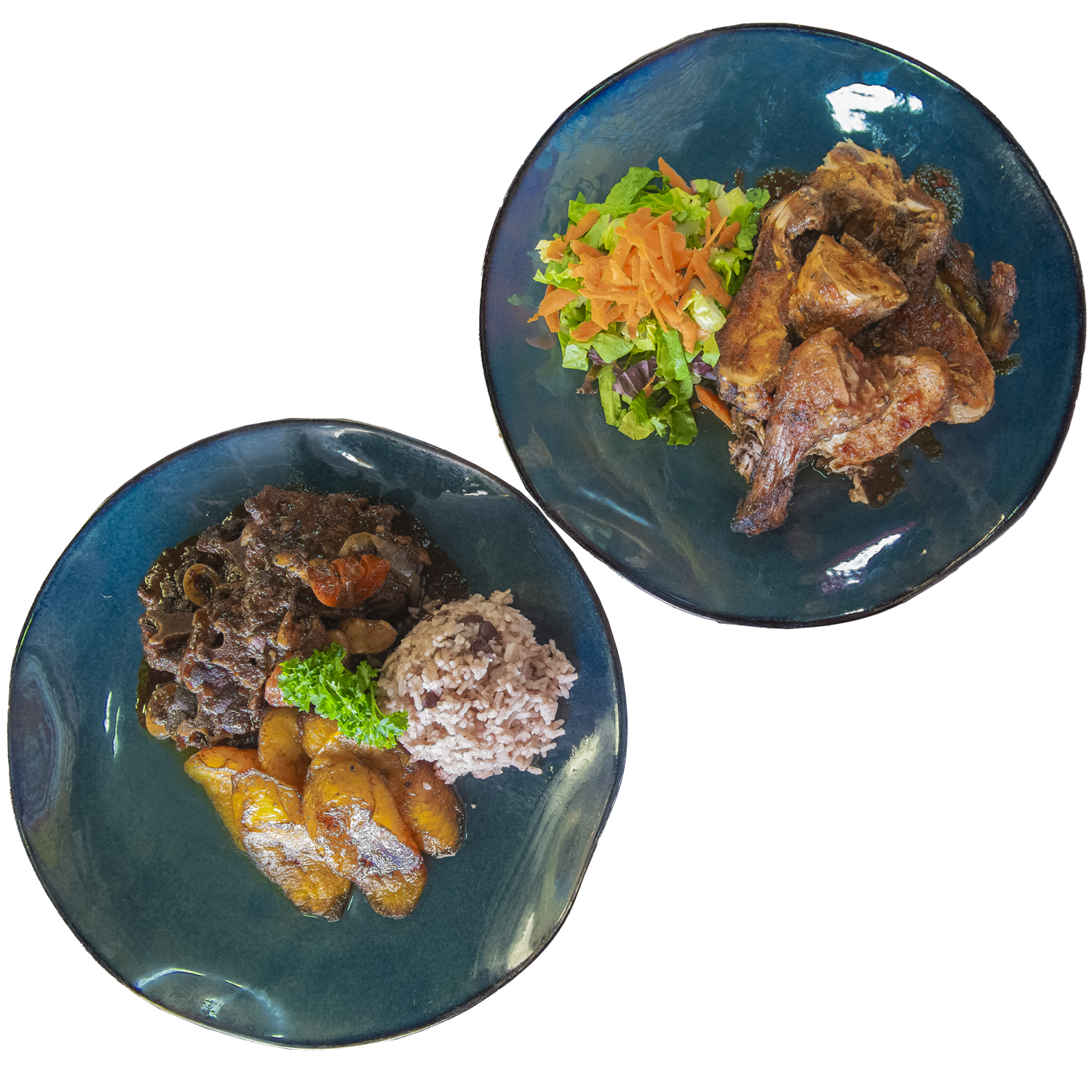
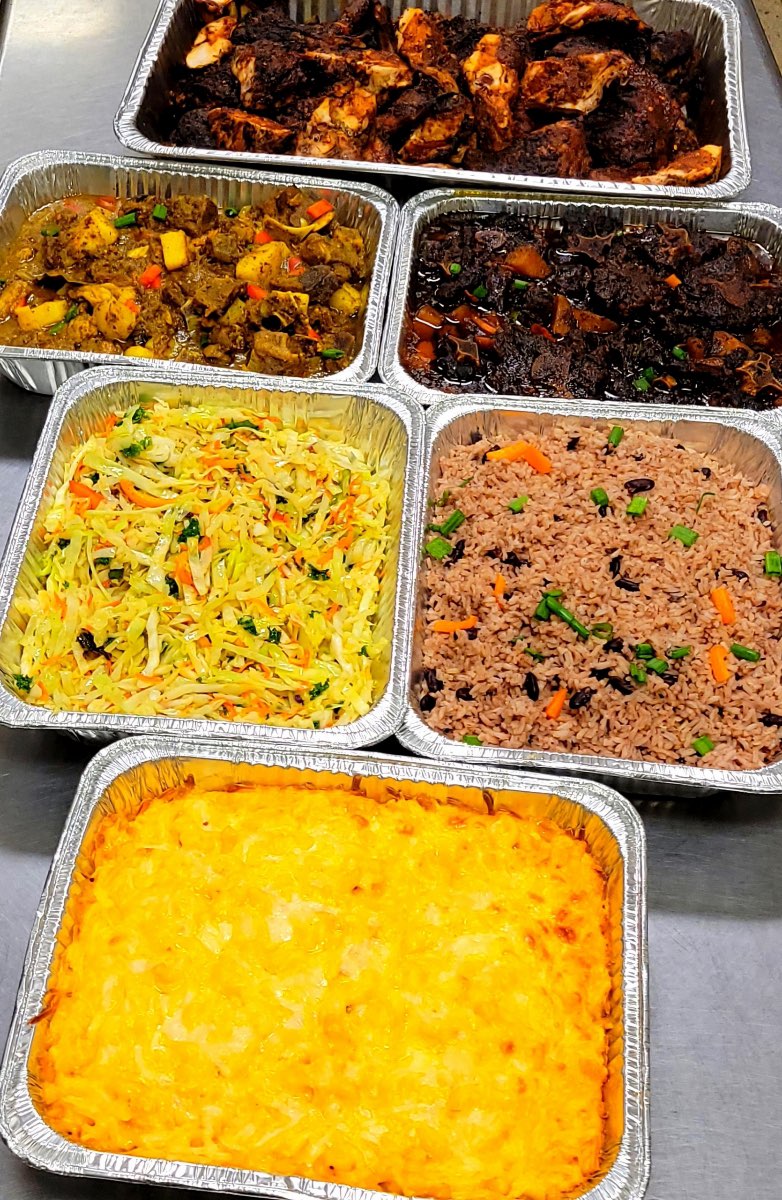
Jamaican food has a way of announcing itself before it reaches the table. The aroma rises first, warm, sharp, earthy, sometimes sweet, sometimes almost smoky. A pot of curry goat can fill a house with turmeric, coriander, and garlic long before the meat softens. A pan of escovitch fish carries the bright scent of pimento and vinegar. Jerk chicken, when done properly over pimento wood, sends up a fragrance that is spicy, resinous, and unmistakable. What many people describe simply as "bold flavor" in Jamaican cooking is really the result of a careful relationship with spice.
That relationship is older and more layered than a single recipe or trend. It draws from Indigenous Caribbean foodways, African cooking traditions, European trade, Indian and Chinese migration, and the practical habits of island home cooks who learned to season deeply because ingredients deserved it, not because they needed disguising. Spices in Jamaican food do more than add heat. They shape the structure of flavor. They determine whether a dish feels round, bright, medicinal, sweet, smoky, or fierce. They also influence texture, aroma, and even timing in the kitchen.
Understanding Jamaican food means understanding spice not as decoration, but as architecture.
Spice in Jamaican cooking is about balance, not excess
People who are new to Jamaican food often assume spice means heat alone. That is one of the quickest ways to misunderstand the cuisine. Jamaican cooking can be fiery, certainly, especially when Scotch bonnet peppers are involved, but its best-known dishes rely on a broader spectrum. Warm spices, fresh herbs, pungent alliums, and peppers are layered in ways that create depth rather than blunt force.
A well-seasoned Jamaican stew does not taste like one thing turned up too high. It tastes complete. The heat arrives alongside sweetness, bitterness, savoriness, and perfume. Even in dishes famous for their intensity, restraint matters. Too much thyme and the pot tastes medicinal. Too much allspice and it turns woody. Too much Scotch bonnet and every other note disappears. The cook's job is not to pile flavor on top of flavor. It is to decide which spice leads and which ones support.
That is why recipes passed down in Jamaican households often resist exact measurements. A grandmother may say "a likkle more pimento" or "just enough thyme to smell it." Those phrases sound vague on paper, but they reflect real sensory judgment. Jamaican cooking has always depended on smell, color, and instinct as much as on teaspoons.
Allspice, the quiet backbone of the island's flavor
If one spice defines the taste of Jamaican food more than any other, it is allspice, known locally as pimento. This matters because allspice is not a blend, despite the name. It is a single dried berry from the pimento tree, and Jamaica has long been famous for producing some of the finest quality in the world.
Pimento tastes like several warm spices meeting in one place. Most people detect clove first, then cinnamon, nutmeg, and pepper. In Jamaican cooking, that complexity gives a dish fullness without clutter. Ground pimento is common in jerk seasoning, patties, sausages, stews, and baked goods. Whole berries go into soups, pickling liquid, and rice dishes, where they release flavor slowly and can be fished out later, much like bay leaves.
Its role in jerk deserves special attention. Good jerk is not simply hot chicken with charred skin. It is built on the aromatic lift of pimento and thyme, rounded by scallion, garlic, ginger, and Scotch bonnet. Without pimento, jerk loses its identity. It may still be tasty, but it drifts away from the flavor memory most people associate with authentic Jamaican food.
Pimento also has a practical side. In slow-cooked dishes, it stands up to long heat better than delicate herbs or citrus zest. It keeps speaking after hours in the pot. That staying power matters in a cuisine that includes braises, soups, and heavily seasoned meats that often benefit from resting overnight.
Scotch bonnet brings heat, fruit, and tension
The Scotch bonnet is probably the most misunderstood ingredient in Jamaican food. It is famous for its fire, and that reputation is deserved. Depending on the pepper and the season, it can be very hot. But heat is only part of what it contributes. A ripe Scotch bonnet also has a distinct fruity quality, almost floral, with a sweetness that can lift rich or salty foods.
This is why a dish made with Scotch bonnet tastes different from one made with generic chili flakes or a sharp, one-note hot sauce. The pepper does not merely attack the palate. It creates tension. In a brown stew, it cuts through the richness. In pepper shrimp, it intensifies the brine and spice until the dish feels almost electric. In a pot of soup, even one whole pepper simmered carefully without bursting can perfume the broth.
There is technique involved here. Many Jamaican cooks know exactly when to leave the pepper whole, when to slice it, and when to mince it into a paste. Leaving it whole allows flavor to diffuse more gently. Cutting it open changes the dish quickly, especially if seeds and membranes go in. Mincing it into jerk marinade or pepper sauce makes the heat more immediate and more evenly distributed.
This is where experience matters. Heat tolerance is personal, but flavor judgment is universal. A https://simonhatr436.novacrestiq.com/posts/how-jamaican-food-continues-to-inspire-food-lovers cook who chases heat alone can wreck a dish. A cook who understands Scotch bonnet uses it to sharpen everything else.
Thyme, scallion, and garlic behave like spices in practice
Strictly speaking, not every seasoning that shapes Jamaican food is a dried spice. Thyme, scallion, garlic, onion, and ginger often function more like foundational aromatic agents. They are used so consistently, and with such clear purpose, that leaving them out changes the identity of many dishes as much as omitting a spice would.
Thyme is a good example. In Jamaican kitchens, it appears in everything from chicken soup to rice and peas to stewed fish. Fresh thyme is preferred when available, but dried thyme is common too. Its flavor can be forceful, almost resinous, and in generous quantities it gives food the savory, slightly wild edge that many people recognize immediately in Jamaican cooking.
Scallion adds freshness and bite. Garlic brings depth and body. Ginger contributes warmth and brightness, especially in marinades and curries. Together, these ingredients help spices spread through a dish rather than sitting on top of it. A jerk paste with allspice and Scotch bonnet but no scallion or thyme feels incomplete. A curry lacking ginger and garlic can taste flat even when the powdered spices are correct.
This is one reason Jamaican food tastes so vivid at home when someone seasons meat well ahead of cooking. Time allows these ingredients to penetrate. The spice profile stops being surface-level and becomes part of the dish itself.
Jerk is the clearest lesson in how spices define identity
If there is one preparation that teaches the logic of Jamaican spice use better than any other, it is jerk. Not the bottled shortcut sold as "jerk flavor," but the real method, with seasoning worked into the meat and smoke playing its part.
Jerk relies on a matrix of flavors that are individually assertive but carefully balanced. Pimento supplies warmth and a woody sweetness. Scotch bonnet supplies heat and fruit. Thyme cuts through and lifts. Scallion and onion add freshness. Garlic and ginger thicken the profile. Brown sugar, when used, helps caramelization and rounds bitterness. Salt carries everything. Smoke from pimento wood or charcoal completes the effect, binding spice to protein in a way an oven cannot fully imitate.
The result is not random complexity. It is a specific, recognizable taste. Even small changes alter the character. Too much sugar and it tastes candied. Too much soy sauce, a common shortcut in some modern recipes, can push it toward a salty, generic barbecue direction. Too little pimento and it stops reading as jerk. The dish teaches a larger truth about Jamaican food: spices are not there just to make things taste strong. They make the dish itself what it is.
Curry powder in Jamaica became its own thing
Curry in Jamaica deserves to be discussed on its own terms. It arrived through Indian indentured laborers in the nineteenth century, then evolved through local ingredients and preferences. Jamaican curry powder is not identical to Indian blends, though it clearly shares ancestry. It tends to lean heavily on turmeric, coriander, fenugreek, cumin, and allspice, often with mustard and black pepper in the background.
That local adaptation matters. Jamaican curry has a color, aroma, and flavor profile that suits island cooking. It is often bolder and more direct, with less emphasis on layering many whole spices individually in the pot. A typical Jamaican curry starts by "burning" or blooming the curry powder in hot oil. This step deepens the spice, removes rawness, and gives the dish its characteristic roasted aroma. Skip it, and the flavor often tastes dusty.
Curry goat shows what happens when that blend meets Jamaican technique. The meat is usually seasoned before cooking, then browned or lightly seared, and allowed to simmer until tender. Potatoes may join late enough to hold their shape. Scotch bonnet often appears in the pot, thyme is common, and the finished dish has a gravy that tastes earthy, rich, and gently bitter in the best way. The curry blend sets the tone, but the surrounding seasonings make it Jamaican.
This is one of the pleasures of Jamaican food more broadly. It absorbs outside influence without losing itself.
Sweet spices matter too, even in savory food
One of the more subtle aspects of Jamaican cooking is how often sweet-associated spices appear in savory contexts. Nutmeg, cinnamon, clove, and allspice move easily between meat, drinks, desserts, and sauces. That flexibility gives the cuisine a deep aromatic range.
Nutmeg appears in baked goods, porridges, punches, and sometimes in seasoning blends. Cinnamon may show up in drinks and desserts, but also in stews or special-occasion dishes where a warmer background note is welcome. Clove is used more sparingly because it can dominate, but in the right amount it adds a medicinal sweetness that works beautifully in pickling and braising.
This crossover between sweet and savory does something important. It prevents many dishes from tasting narrowly salty or hot. A beef patty, for instance, is not just meat and pepper. The filling often carries hints of thyme, black pepper, scallion, and sometimes pimento that create warmth beneath the pastry. Sorrel drink, steeped with ginger and often clove, tastes festive not only because it is sweet, but because the spices give it shape.
In experienced hands, sweet spices are not dessert ingredients. They are mood-setters.
The seasoning of beans, rice, and soup reveals real discipline
It is easy to focus on famous meat dishes when discussing Jamaican food, but some of the best examples of spice intelligence appear in everyday staples. Rice and peas, for instance, seems simple. Yet when it is made well, every component matters. Coconut milk provides richness. Thyme gives a herbal edge. Scallion and garlic deepen savoriness. Whole pimento berries perfume the pot. Scotch bonnet, often left whole, adds a faint heat and fruity aroma without overwhelming the rice. The result tastes fuller than the ingredient list suggests.
Soup works the same way. Saturday soup in many Jamaican homes is not casual food. It is restorative and serious. Chicken foot soup, red peas soup, mannish water, or fish tea all depend on layered seasoning rather than brute force. Pimento, thyme, scallion, garlic, black pepper, and Scotch bonnet might all be present, but each must be managed according to cooking time and broth strength. A thin soup can handle less spice than a heavy one thickened with yam, dumplings, or pumpkin. A fish broth needs brightness and care, because too much clove-like pimento can bully the delicacy of the stock.
These dishes are where you notice whether a cook understands spice or merely uses it.
Spice is also shaped by place, season, and fuel
No discussion of Jamaican food is complete without acknowledging the influence of place. The same spice blend behaves differently depending on whether food is cooked in a city kitchen, on a roadside grill, or in a country yard over wood or coal. Smoke changes spice perception. So does humidity. Freshly harvested thyme smells different from thyme that has been sitting in a market crate for days. Pimento berries crushed just before use are far more expressive than stale pre-ground spice from a supermarket shelf.
Even the fuel matters. Jerk cooked over pimento wood tastes distinct because the smoke echoes the allspice in the marinade. That creates flavor continuity. It is one of those details that sounds romantic until you taste the difference side by side. Then it becomes obvious.
Seasonality plays its part too. Scotch bonnets vary. Some are surprisingly sweet and perfumed before the heat lands. Others are harsh and aggressive. Ginger can be fresh and almost citrusy, or older and more fibrous with stronger bite. Good cooks adapt. They taste, smell, and adjust. This is another reason rigid recipes only go so far. Jamaican cooking lives in judgment calls.
Why commercial shortcuts often miss the point
The global popularity of Jamaican food has produced a market full of bottled jerk sauces, curry pastes, dry rubs, and all-purpose seasoning blends. Some are useful. Many flatten the cuisine. The problem is not convenience itself. The problem is imbalance.
Commercial products often oversell one note because it is easy to market. Heat gets exaggerated. Sweetness gets pushed because it pleases quickly. Salt levels rise because shelf-stable products need to taste immediate and strong. Smoke flavor is faked instead of built. Fresh aromatics disappear. What remains may be recognizable, but only in outline.
This matters because the soul of Jamaican food lies in the conversation between ingredients, not in any single spike of flavor. A jar can help on a busy day, but it rarely captures the roundness of freshly crushed pimento, chopped thyme, smashed scallion, and a Scotch bonnet handled with care. The difference is especially obvious after cooking. Fresh seasonings evolve in the pot. Bottled ones often taste the same at the end as they did at the start.
For home cooks trying to get closer to authentic flavor, a few habits make a bigger difference than buying expensive products:
- Toast or bloom dry spices when the dish allows it, especially curry powder.
- Use whole pimento berries for broths, rice, and pickling, and freshly ground allspice for rubs.
- Let meat rest in seasoning for at least a few hours when making jerk, brown stew, or curry.
- Treat Scotch bonnet as a flavor ingredient, not just a heat source.
- Taste near the end and adjust thyme, salt, and acidity with a light hand.
Those habits sound modest, but they move a dish closer to the depth people remember from a Jamaican home kitchen or a good roadside cookshop.
The spice profile tells you what kind of dish you are eating
One of the pleasures of Jamaican cooking is how quickly an experienced eater can identify a dish by its aroma alone. Escovitch announces itself with sharp vinegar, pimento, and pepper. Brown stew smells dark and savory, often with caramelized sugar and thyme in the background. Curry goat carries turmeric, coriander, and slow-cooked meat. Jerk is smoky, hot, and sweet-woody from pimento. Rice and peas has coconut and thyme rising softly with warm spice underneath.
That is not accidental. Spice choices function almost like a culinary language. They signal method, mood, and expectation. They tell you whether the dish will be bright or heavy, festive or everyday, dry-rubbed or stewed, quick-cooked or slow-simmered. In that sense, spice does more than flavor Jamaican food. It organizes the cuisine.
There is also an emotional layer here. For many people, the smell of pimento and thyme frying with onion is not abstract flavor science. It is memory. It is Sunday dinner. It is Christmas sorrel steeping in the kitchen. It is soup on a rainy afternoon, or chicken seasoning overnight in a covered bowl. Spices carry identity because they are tied to repetition, ritual, and place.
Jamaican food endures because the flavor is built, not borrowed
The lasting appeal of Jamaican food comes from the confidence of its seasoning. It does not apologize for spice, but neither does it use spice carelessly. The cuisine understands that flavor must be built in layers, with respect for timing, ingredient strength, and the final shape of the dish. Pimento gives warmth and signature. Scotch bonnet creates heat with fruit and tension. Thyme and scallion provide lift. Curry blends tell the story of adaptation. Sweet spices soften edges and deepen savory foods. Smoke, rest time, and cooking method bring it all together.
That is why the best Jamaican food tastes so complete. Nothing feels added just for effect. The spices belong where they are. They are part of a long culinary grammar that has been refined in market stalls, family kitchens, beachside grills, and roadside pans for generations.
When people say Jamaican food is full of flavor, they are right. But the fuller truth is more interesting. Jamaican food tastes the way it does because spices are used with memory, discipline, and nerve. They do not simply season the food. They shape its entire character.
Reggae Pot Jamaican Grill
7562 S University Blvd C, Centennial, CO 80122
(303) 997-5623
FAQ About jamaican food
What is the best Jamaican food to try in Centennial?
The best choice depends on your preferences. Reggae Pot Jamaican Grill offers jerk chicken, curry goat, oxtail, and escovitch snapper, along with sides such as rice and peas and fried plantains. Ask the restaurant about current availability and spice levels before ordering.
Is Jamaican food very spicy in Centennial?
Heat varies by dish and preparation. Jerk dishes can be hot, while some stews and sides are milder. Tell the restaurant your preferred heat level and ask which options suit you.
What is typically on a Jamaican menu?
Common choices include jerk chicken, curries, oxtail, fish, patties, rice and peas, and plantains. Reggae Pot also lists ackee and saltfish and vegetable dishes. Menus and availability can change, so confirm your choices when ordering.